Fish That Eat Mosquito Larvae
A small medaka tub is one of the most rewarding low-maintenance projects in the hobby, and it comes with a bonus most people don't expect: it works against the mosquitoes in your yard. Mosquitoes breed in still water, and a tub of surface-feeding medaka eats their larvae before they can hatch into biting adults. So instead of one more thing that collects water and breeds pests, you set up a living water garden that quietly helps keep them down, and it is far nicer to look at than a bug zapper.
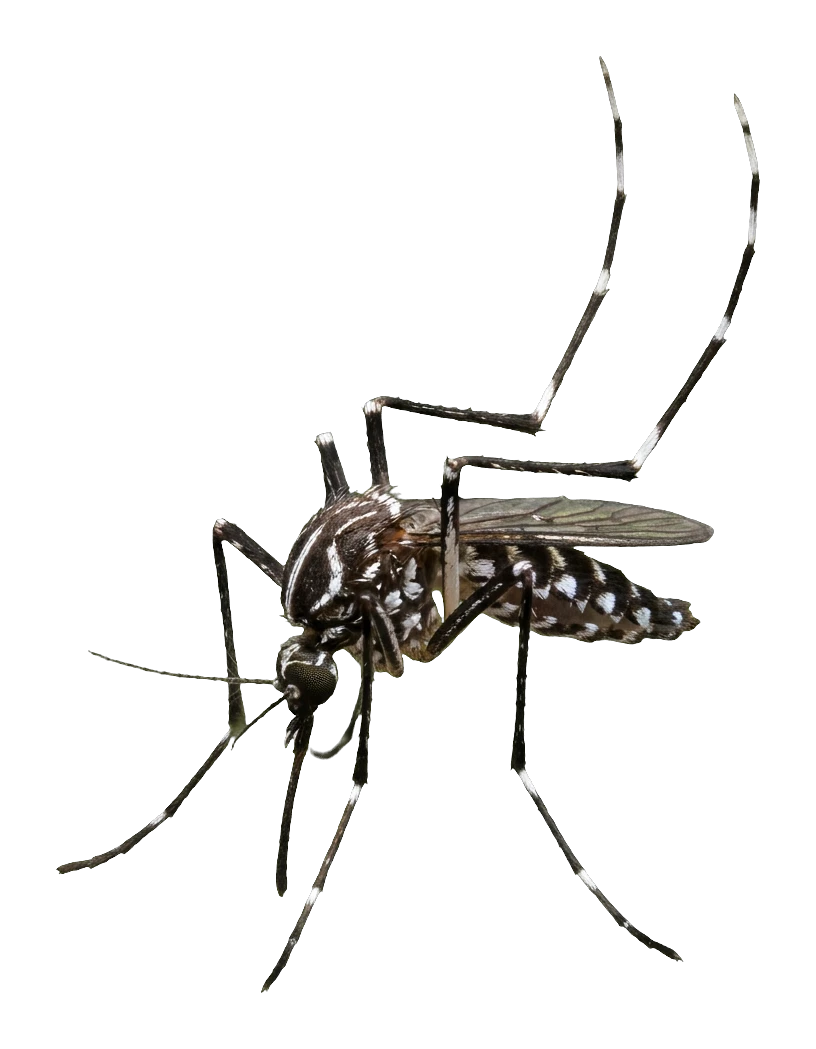
How a medaka tub cuts down mosquitoes
Mosquitoes do not need much to breed. Any still water that sits for a week or two, a bucket, a plant saucer, a clogged gutter, or a forgotten bin, is enough for a female to lay eggs that hatch into larvae, the little wrigglers hanging just under the surface. In warm weather, 7 to 10 days later they can emerge as biting adults. The Asian tiger mosquito common across the Southeast is a dedicated container breeder, it seeks out exactly this kind of small, artificial water rather than natural ponds, which makes a stocked tub the perfect place to intercept it. Set up a proper medaka tub and two things change. First, it becomes one piece of water on your property that is very unlikely to breed mosquitoes, because the fish eat the larvae. Second, some mosquitoes will still lay in open water, and the medaka clear those larvae out before they can fly. It will not replace tidying up the other standing water around your yard, but instead of adding to the problem, your water garden becomes part of the fix.
How medaka stop them
Medaka have small, upturned mouths built for feeding at the exact place larvae live: the surface. Drop a few into a tub and they patrol the top of the water constantly, eating the larvae they find. A modest group in an open container should keep wrigglers down through the season, though thick plant cover gives larvae places to hide, so leave open water for the fish to patrol. No dumping, no dunks, no spraying. They do the same job in an outdoor container pond that they do in a planted tub.
A hidden bonus: the best free fish food there is
Here is the part most people miss. Mosquito larvae are not just something to get rid of, they are one of the best live foods a medaka can eat, protein-rich and exactly what these fish evolved to hunt at the surface. An outdoor tub grows them for free all season, and fish that graze on live food show it: good color and good condition, often better than fish raised on dry food alone. The pest you wanted gone turns into premium, natural nutrition at no cost to you.
Medaka vs. the classic mosquitofish
When people think of a mosquito-eating fish, they picture Gambusia, the mosquitofish. It works, but it comes with real downsides: it is a drab grey livebearer, it is aggressive and nips other fish, and it is listed among the world's most damaging invasive species, so its sale or movement is restricted in many places. Medaka do the same surface-feeding job while being everything Gambusia is not: colorful, peaceful, and kept the world over as an ornamental fish. You get natural mosquito control and a tub full of shimmering fish worth watching.
Hand-picked varieties and ready-made collections, shipped with free floating plants and my live arrival guarantee. Hardy, low-waste, and happy in still water, the right fish for a patio pond that earns its keep against mosquitoes.
Shop Medaka VarietiesImportant: for your own contained water only
This matters. Medaka are not native to North America, so they belong in contained water you control, a patio tub, a half-barrel, a lined water garden, a stock tank, or an aquarium. Never release medaka, or any pet fish, into a natural pond, creek, lake, or storm drain. Non-native fish that escape into wild water can cause real ecological harm, and stocking natural waterways is illegal in many states. Keep them home, and they will keep your water clear for years.
What a mosquito-control tub actually needs
Less than you would think. A watertight container that holds at least ten gallons, a small group of medaka, and a handful of floating plants for shade and cover (frogbit and giant duckweed are easy choices) is the whole setup. No filter is needed in a planted tub, and no heater at all. The floating plants ship free with every fish or snail order, so a first order is close to a complete kit. Add a few snails as a cleanup crew and the tub runs itself.
Frequently asked questions
Do medaka really eat mosquito larvae?
Yes. They feed at the water's surface,
exactly where larvae hang to breathe, so they pick them off constantly. A small group keeps an open tub
of standing water clear of wrigglers through the season.
Will a medaka tub clear every mosquito from my yard?
No single thing does, since
mosquitoes travel and breed in any water nearby. What a stocked tub does is keep your own water feature from breeding them.
Paired with emptying other standing water around your yard, it makes a real dent.
How many do I need for a patio tub?
Five or six handle a typical half-barrel or
stock-tank tub. More surface area supports more fish, and since medaka breed readily outdoors, a starter
group tends to grow into a self-sustaining colony.
Are they legal where mosquitofish are not?
Often, yes. Gambusia is restricted in
many areas as an invasive species, while medaka are widely kept as ornamental fish, and I am not aware of a U.S. state that prohibits them in an aquarium or contained pond (I have not checked every state). Always keep them in
contained water and check your local rules before ordering.
Will they survive winter outside?
In much of the country, yes, in a container
with enough water volume and depth to buffer the cold. My
outdoor guide covers exactly what that takes.
Do I need a filter or heater?
Usually neither. No heater, and a planted tub often
needs no filter. The free floating plants do much of the water-cleaning work on their own.
Not sure which to pick? A collection is a hand-selected group of healthy medaka, the simplest way to stock a tub and start clearing larvae this week.
Shop Collections